Fixing up your house should feel exciting. You picture a fresh kitchen, a cosy living room, or a bathroom that finally works the way you want. But here’s the truth: most home projects don’t fail because of bad taste. They fail because of small, avoidable mistakes made early on.
This guide walks you through the most common home improvement mistakes to avoid, in plain, simple language. No confusing terms. No jargon. Just clear advice you can use today, whether you’re painting one room or remodelling your whole house.
You don’t need to be an expert to get this right. You just need to know where other people usually slip up, so you can skip those same traps. That’s exactly what this guide gives you.
Let’s get into it.
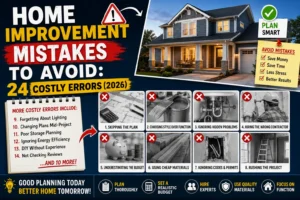
Why Learning These Mistakes Matters
Home improvement costs real money. A small error at the start can turn into a big bill later. Studies on renovation projects show that a large number of homeowners go over budget, mostly because they didn’t plan well or didn’t know what to expect. In fact, more than one in three homeowners end up spending beyond what they originally planned, often because of unexpected material costs, labor price jumps, or simply changing their mind partway through the project.
The good news? Almost every one of these problems is easy to avoid once you know what to look for. Most home improvement disasters aren’t caused by bad luck. They’re caused by rushing, guessing, or skipping a step that felt “unimportant” at the time.
Think of this article as a checklist. Read through it before you buy materials, hire anyone, or pick up a tool. Even if you only fix two or three of these habits before your next project, you’ll likely save yourself real money and a lot of stress.
1. Skipping the Budget Plan
This is the number one mistake people make. They start a project with excitement but no real number in mind for how much it will cost.
Without a clear budget, it’s easy to overspend on things that look nice but don’t matter much, like fancy light fixtures, while ignoring the boring stuff like wiring or plumbing that actually keeps your home safe.
What to do instead:
- Write down a full budget before you start, even if it’s a rough number.
- Add 15-20% extra on top for surprises. There are almost always surprises.
- Decide early what matters most to you (safety, comfort, or looks) so you know where to spend and where to save.
2. Underestimating the Total Cost
Even people who do set a budget often guess too low. Surveys of homeowners doing DIY projects found that a large share of them ended up spending far more than they expected, simply because they didn’t understand the full scope of the work.
Materials cost more than you think. Labor costs more than you think. And almost every project takes longer than planned, which can add extra costs too.
What to do instead:
- Get at least three quotes from different contractors before deciding.
- Ask for a full, itemized cost list, not just a total number.
- Research material prices yourself so you’re not caught off guard.
3. Not Setting Aside a Backup Fund
Even with a solid budget, things go wrong. You open a wall and find old wiring that needs replacing. You lift old flooring and find water damage underneath. These surprises are common, not rare.
What to do instead:
- Always keep a backup fund of at least 15-20% of your total budget.
- Don’t touch this money unless something unexpected comes up.
- If you don’t use it, great! You’ll finish under budget instead of over it.
4. Ignoring Building Permits and Rules
This is one of those home improvement mistakes to avoid that people don’t think about until it’s too late. Skipping permits might feel like it saves time and money, but it can backfire badly.
If you sell your house later, unpermitted work can cause serious problems. Buyers’ inspectors often catch it, and it can delay or even kill a sale. Some cities may even ask you to undo the work.
What to do instead:
- Check with your local building office before starting any major work.
- Ask your contractor directly if permits are needed and included in their quote.
- Keep copies of all permit paperwork in one folder.
5. Hiring the Cheapest Contractor
Everyone loves a good deal. But choosing a contractor only because they’re the cheapest is a classic and costly mistake. Low prices sometimes mean rushed work, low-quality materials, or corners being cut in ways you won’t notice until later.
What to do instead:
- Check reviews and ask for references from past customers.
- Confirm the contractor is licensed and insured.
- Choose based on quality and trust, not just price.
- Get everything in writing, including timelines, costs, and materials used.
6. Skipping a Home Inspection First
Before starting a big renovation, especially in an older home, get a professional inspection. This helps you find hidden problems like weak foundations, old wiring, or mold before you start cutting into walls or floors.
What to do instead:
- Book an inspection for any major project, not just when buying a house.
- Fix serious structural issues before spending money on looks.
- Treat safety issues as top priority, always above style choices.
7. Fixing Looks Before Fixing Structure
This is a mistake that hurts people badly, especially if they plan to sell later. New paint and pretty tiles can’t hide a cracked foundation, a leaking roof, or old wiring. Buyers’ inspectors will find these problems, and they will ask for a lower price or walk away.
What to do instead:
- Always fix structural and safety issues first: foundation, roof, plumbing, and wiring.
- Only move to cosmetic upgrades once the “bones” of the house are solid.
- Remember: strong foundations bring better value than pretty surfaces alone.
8. Buying Cheap Materials to Save Money
Saving money upfront by buying the cheapest materials often costs more down the road. Cheap flooring scratches fast. Low-quality cabinets fall apart quickly. Bargain countertops stain or crack within a few years.
What to do instead:
- Spend more on materials used daily, like flooring in busy rooms, kitchen counters, and cabinets.
- Save money on things that get less wear, like decorative shelves in a guest room.
- Think of it as paying once for quality instead of paying twice for cheap repairs.
9. Doing DIY Work That’s Too Advanced
DIY projects can be fun and save money, but only when they match your skill level. Wiring, plumbing, and gas line work are not good places to learn on the job. These jobs need real experience and the right tools, and getting them wrong can be dangerous.
What to do instead:
- Handle simple, safe projects yourself: painting, basic shelving, or small repairs.
- Leave anything electrical, structural, or involving gas or water lines to licensed professionals.
- If you’re unsure whether a job is “DIY-safe,” ask a professional first.
10. Measuring Incorrectly
This sounds small, but it’s one of the most common and frustrating home improvement mistakes to avoid. A measurement that’s off by even a few centimeters can mean cabinets that don’t fit, uneven flooring, or wasted materials that need to be reordered.
What to do instead:
- Always measure twice before cutting or ordering anything.
- Use a proper tape measure, not guesswork.
- When in doubt, have a professional double-check big or expensive measurements.
11. Ignoring Ventilation and Insulation
It’s easy to forget about things you can’t see, like insulation inside walls or proper airflow in bathrooms and kitchens. But skipping these steps can lead to mold, high energy bills, and an uncomfortable home.
What to do instead:
- Add or check insulation whenever you open up walls or ceilings.
- Make sure bathrooms and kitchens have working exhaust fans.
- Think about energy efficiency now; it saves money every single month after the project is done.
12. Overlooking Plumbing and Electrical Upgrades
If your home is older, its plumbing and wiring may not be ready for a fresh renovation. Installing beautiful new fixtures on top of old, weak pipes or wiring is a mistake that often shows up later as leaks, or worse, an electrical hazard.
What to do instead:
- Have plumbing and wiring checked before any major remodel, especially kitchens and bathrooms.
- Upgrade old systems even if it costs more now. It’s cheaper than fixing hidden damage later.
- Never hide old, faulty wiring behind new walls or ceilings.
13. Not Planning for Function, Only Looks
A renovation that looks amazing in photos but doesn’t work for daily life will disappoint you fast. Maybe the kitchen looks stunning but has no storage. Maybe the living room looks great but has an awkward walking path.
What to do instead:
- Think about how you actually use each room, every day.
- Prioritize storage, flow, and comfort alongside style.
- Ask yourself: “Will I still love this in five years of daily use?”
14. Over-Personalizing Every Room
It’s your home, so it makes sense to want it to reflect your taste. But going too far, like bold colored cabinets, unusual tile patterns, or built-in furniture for a very specific hobby, can hurt you if you ever plan to sell.
What to do instead:
- Keep major, hard-to-change features (like cabinets and flooring) more neutral.
- Save bold personal style for things that are easy to change later, like paint, art, or furniture.
- Balance your personal taste with broad appeal, especially in shared or resale-important spaces.
15. Choosing Trendy Over Timeless
Trends come and go fast. What looks modern today can look dated in just a few years. Chasing every trend in a renovation can mean spending money on something you’ll want to redo again soon.
What to do instead:
- Choose timeless choices for big, expensive items: flooring, cabinets, and countertops.
- Save trendy styles for smaller, cheaper items: cushions, paint colors, or light fixtures.
- Ask yourself if you’ll still like this choice in ten years, not just this year.
16. Starting Without a Clear Plan or Timeline
Jumping into a project without a full plan often leads to delays, confusion, and extra costs. Contractors need clear direction, and changing your mind mid-project (also called scope creep) is one of the biggest reasons renovations go over budget and over time.
What to do instead:
- Finalize your design and material choices before work begins.
- Set a realistic timeline with your contractor, and build in a little extra time for delays.
- Avoid making big changes once work has started, unless truly necessary.
17. Not Getting Everything in Writing
A friendly handshake deal might feel fine at first, but it leaves you with no protection if something goes wrong. Miscommunication about costs, timelines, or materials is a common source of frustration and disputes.
What to do instead:
- Always use a written contract with your contractor.
- Include costs, materials, timeline, and payment schedule in the contract.
- Keep records of every conversation about changes to the plan.
18. Forgetting About Insurance Coverage
Many homeowners don’t check whether their home insurance covers renovation work, or whether their contractor carries proper insurance. If an accident happens during the project, this gap can leave you paying for damages out of your own pocket.
What to do instead:
- Call your insurance company before starting a big project to confirm coverage.
- Ask your contractor for proof of liability insurance.
- Consider extra coverage for high-cost renovations, just to be safe.
19. Ignoring Energy Efficiency
Many people focus only on how a room looks and forget about how much it will cost to run. Simple choices, like energy-efficient lighting, better windows, or good insulation, can make a big difference in your monthly bills for years to come.
What to do instead:
- Choose LED lighting over older, less efficient options.
- Consider energy-efficient windows and appliances when upgrading.
- Think of energy efficiency as a long-term investment, not an extra expense.
20. Rushing the Decision-Making Process
Renovation regret is real, and it usually comes from rushing. Making quick decisions under pressure, whether about design, materials, or contractors, often leads to results you’re not happy with.
What to do instead:
- Give yourself time to research and compare options before committing.
- Use design tools or mood boards to visualize choices before making them permanent.
- If timing feels wrong, it’s okay to wait or do the project in smaller phases instead of all at once.
21. Choosing the Wrong Time of Year to Start
Timing matters more than most people realize. Starting an outdoor project right before the rainy season, or a big indoor renovation right before the holidays, can lead to unnecessary delays and stress. Contractors are also busier at certain times of the year, which can mean higher prices and longer wait times.
What to do instead:
- Plan outdoor projects, like roofing or painting the exterior, around dry, mild weather.
- Book contractors early if you want to start during a busy season, like spring or early summer.
- Avoid squeezing in a major renovation right before a big life event, like hosting guests or moving in.
22. Not Thinking About Resale Value
Even if you plan to stay in your home for years, it’s smart to think about resale value when making bigger decisions. Some upgrades add real value, like updated kitchens, bathrooms, and curb appeal. Others, like highly unusual layouts or extremely bold permanent choices, can actually make a home harder to sell later.
What to do instead:
- Research which upgrades typically bring the best return in your area before spending on big projects.
- Balance your personal wants with choices that keep the home appealing to future buyers.
- If you’re unsure, ask a local real estate agent for a quick opinion before committing to a big change.
23. Ignoring Small Repairs Until They Become Big Problems
A small leak, a loose tile, or a squeaky door might not seem urgent. But small problems tend to grow, especially when it comes to water damage, cracks, or pests. Ignoring these signs until they turn into major repairs is one of the more expensive home improvement mistakes to avoid.
What to do instead:
- Do a walk-through of your home every few months to spot small issues early.
- Fix small leaks, cracks, and loose fittings as soon as you notice them.
- Treat regular maintenance as part of your home budget, not an unexpected cost.
24. Not Communicating Clearly With Your Contractor
Even a great contractor can’t read your mind. A lot of frustration during renovations comes from unclear communication: assuming something was included when it wasn’t, or expecting a certain finish without saying so directly.
What to do instead:
- Talk through every detail before work starts, even ones that feel obvious to you.
- Ask questions if anything in a quote or plan feels unclear.
- Check in regularly during the project instead of waiting until the end to raise concerns.
Common Questions About Home Improvement Mistakes
How much should I add to my budget for unexpected costs? Most experts suggest adding 15-20% on top of your planned budget as a safety cushion. For older homes, or homes with unknown wiring and plumbing history, it’s smart to lean toward the higher end.
Is it really necessary to get permits for smaller projects? Not every project needs a permit, but many people underestimate which projects do. Structural changes, electrical work, plumbing changes, and additions almost always require one. When in doubt, a quick call to your local building office can save you from bigger problems later.
Should I always hire a professional instead of doing it myself? Not at all. Many home improvement projects are perfectly safe and even fun to do yourself, like painting, simple landscaping, or basic furniture assembly. The key is knowing your limits and leaving anything involving electrical wiring, gas lines, or structural changes to trained professionals.
What’s the single biggest home improvement mistake to avoid? If there’s one mistake that causes the most damage, it’s skipping proper planning altogether. Whether that means no real budget, no clear timeline, or starting without understanding the full scope of work, poor planning is behind most of the problems on this list.
A Simple Home Improvement Mistakes to Avoid Checklist
Before you start your next project, run through this quick checklist:
- Set a full budget with a 15-20% backup fund
- Get multiple quotes from licensed, insured contractors
- Check if permits are needed
- Get a home inspection for major projects
- Fix structural and safety issues before cosmetic upgrades
- Choose good-quality materials for high-use areas
- Leave complex electrical and plumbing work to professionals
- Double-check every measurement
- Plan for insulation, ventilation, and energy efficiency
- Balance personal style with long-term appeal
- Finalize your plan before work begins
- Get everything in writing
- Confirm insurance coverage
- Give yourself time to make big decisions
- Time your project around the right season
- Think about resale value before making big, permanent changes
- Handle small repairs early, before they grow into bigger ones
- Communicate clearly and often with your contractor
Final Thoughts
Home improvement projects don’t have to be stressful. Most of the pain people feel during renovations comes from a handful of avoidable mistakes: poor budgeting, rushed decisions, skipped permits, and choosing looks over function or safety.
By slowing down, planning ahead, and keeping this list of home improvement mistakes to avoid close by, you’ll save money, reduce stress, and end up with a home you actually enjoy living in, not one you regret.
Take your time, ask questions, and remember: a little planning now saves a lot of headaches later.