

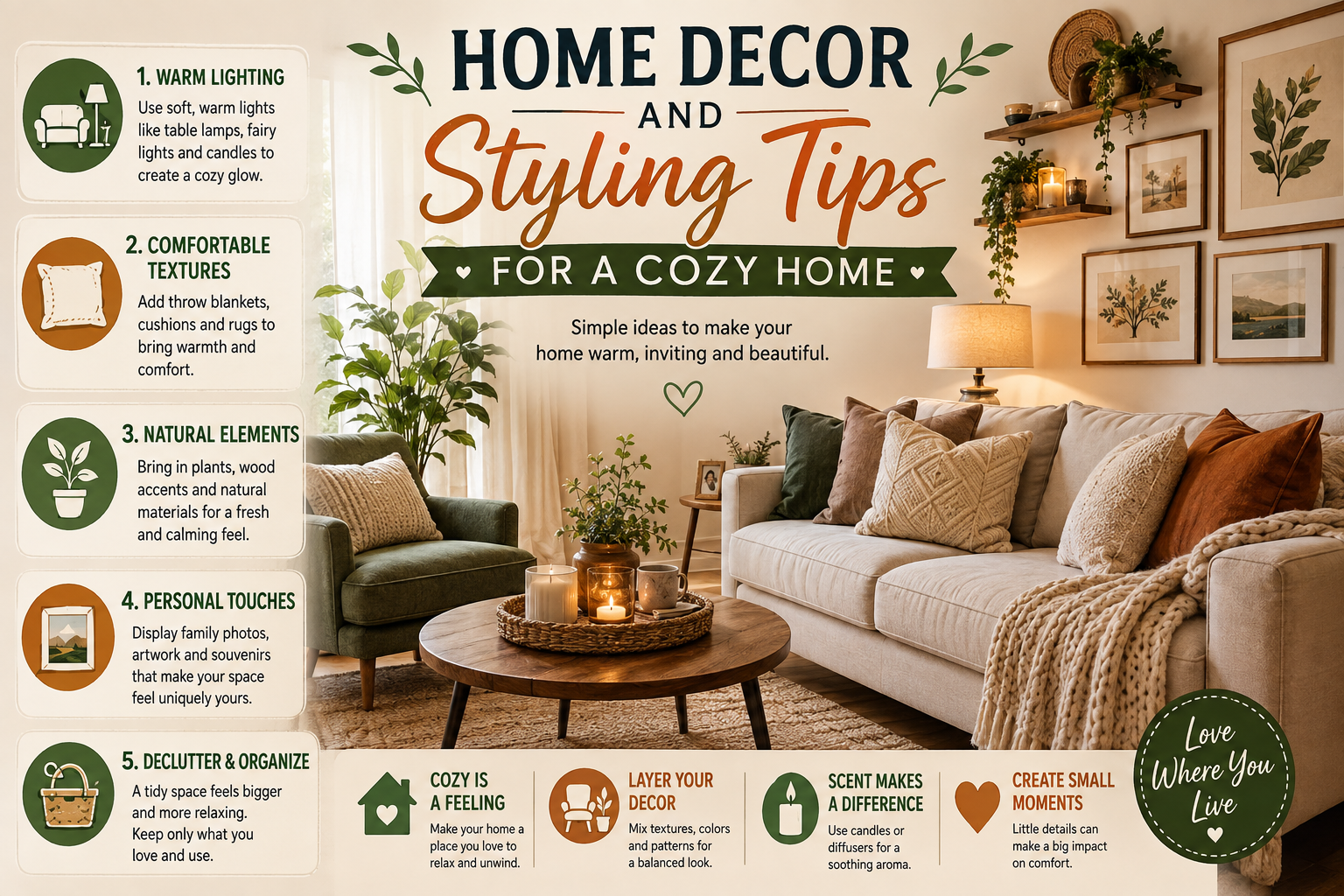
Your home should feel like you. It should be a place where you can relax after a long day, where your family gathers, and where every corner tells a small piece of your story. But if you look around your house right now and feel like something is missing, you are not alone. Many people want to improve their space but don’t know where to start. That’s exactly what this guide is for.
In this post, we will walk through easy, practical ideas for home decor and styling. You don’t need a big budget or a design degree. You need a little guidance, some patience, and a willingness to try new things. Whether you are decorating your first apartment, refreshing a family home, or simply looking for new ideas, this guide from Harvest Path Home will help you turn your house into a space you truly love.
Why Home Decor and Styling Matter
Some people think decorating is just about making a house “look nice.” But it is much more than that. The way a room looks and feels can affect your mood, your energy, and even how well you sleep. A cluttered, poorly lit room can make you feel stressed without you even realising why. On the other hand, a room with good light, comfortable furniture, and a few personal touches can make you feel calm and happy the moment you walk in.
Good home decor and styling also help your home work better for your daily life. Think about how much time you spend in your kitchen, living room, or bedroom. If those spaces are set up in a smart way, everyday tasks become easier. If they are not, even simple things like finding your keys or cooking dinner can feel like a hassle.
So when we talk about home decor and styling, we are really talking about creating a home that supports your life — one that looks good and feels good too.
Start With a Plan, Not a Shopping Cart
One of the biggest mistakes people make is buying furniture and decor items before they have a clear plan. It’s easy to fall in love with a chair at the store or a lamp you saw online, but if it doesn’t fit your space or match your style, it can end up feeling out of place.
Before you buy anything, take a little time to think about these questions:
- How do you want each room to feel? (Cozy, bright, calm, energetic?)
- What colors do you already love wearing or using in your daily life?
- Why items do you already own that you want to keep?
- What is your budget for this project?
- Which rooms need the most attention right now?
Once you have answers to these questions, you will have a much clearer idea of what you actually need. This saves you money and helps you avoid a home that feels like a random collection of things instead of a well-thought-out space.
Understanding Your Personal Style
Home decor and styling work best when they reflect who you are. There is no single “right” style — the best style is the one that makes you feel comfortable and happy in your own space. Here are a few popular styles to help you figure out what you like:
Modern Farmhouse – This style mixes simple, clean lines with cozy, rustic touches. Think wood furniture, soft neutral colors, and warm textures like woven baskets and cotton throws.
Minimalist – This style is all about keeping things simple. Fewer items, clean surfaces, and a calm color palette. It’s a great choice if you want a peaceful, clutter-free home.
Bohemian (Boho) – This style is colorful, layered, and full of personality. Think patterned rugs, plants, textured pillows, and a mix of vintage and handmade pieces.
Traditional – This style uses classic furniture shapes, rich colors, and elegant details. It often includes patterned fabrics and wood furniture with detailed carvings.
Coastal – This style brings a light, breezy feeling into your home. Think soft blues and whites, natural textures like rattan and linen, and lots of natural light.
Industrial – This style uses raw materials like metal, brick, and exposed wood. It often has a slightly rugged, warehouse-inspired feel.
You don’t have to pick just one style. Many people mix two or three styles together to create something that feels personal and unique. The goal is not to copy a magazine photo perfectly — it’s to create a space that feels like your home.
Color: The Foundation of Every Room
Color has a bigger effect on your home than most people realize. It can make a small room feel bigger, a dark room feel brighter, and a plain room feel full of life.
Here are a few simple color tips to keep in mind:
Light colors open up a room: Soft whites, creams, and light grays reflect light and make small spaces feel more open. If you have a small bedroom or a narrow hallway, lighter colors can help.
Warm colors create coziness: Colors like soft terracotta, warm beige, and muted gold can make a living room or dining room feel more inviting.
Cool colors bring calm: Soft blues, sage greens, and light lavender work well in bedrooms and bathrooms, where you want a relaxing feeling.
Stick to a simple color plan: A good rule of thumb is to choose one main color, one secondary color, and one accent color for each room. This keeps things looking pulled together instead of messy.
If you’re not sure where to start, look at something you already love — a favorite blanket, a piece of art, or even a photo you saved online. Often, the color plan for a whole room can start with just one object you already adore.
Furniture Placement That Actually Works
Even beautiful furniture can make a room feel awkward if it’s placed the wrong way. Good furniture placement is one of the most important (and most overlooked) parts of home decor and styling.
Here are some simple guidelines:
Leave room to walk: Try to keep at least two to three feet of open space for walking paths between furniture. If people have to squeeze past a couch or table, the room will feel cramped no matter how nice the furniture is.
Create a focal point: Every room should have one main feature that draws the eye — a fireplace, a large window, a piece of art, or even a bold piece of furniture. Arrange your seating around this focal point.
Float your furniture: Instead of pushing every piece of furniture against the wall, try pulling your sofa and chairs slightly into the room. This creates a cozy conversation area and often makes the room feel bigger, not smaller.
Balance the room visually: Try not to put all your large or heavy furniture on one side of the room. Spread out the visual weight so the space feels balanced.
Think about how you actually live: If you love watching movies, make sure your seating faces the TV comfortably. If you love hosting friends, make sure there’s enough seating for conversation. Your furniture layout should match your daily habits, not just look good in photos.
The Power of Layering
One thing that separates a “styled” room from a plain one is layering. Layering means adding different textures, heights, and materials to a space so it feels rich and complete, rather than flat.
Here’s how to layer different parts of your home:
Layer your textiles: Add a soft throw blanket over your sofa. Mix a few different pillow textures — maybe one linen, one knit, and one velvet. This adds warmth and visual interest.
Layer your lighting: Don’t rely on just one overhead light. Add a floor lamp, a table lamp, and maybe some candles. Multiple light sources make a room feel warmer and more welcoming, especially in the evening.
Layer your rugs: In some rooms, layering a smaller patterned rug over a larger plain one can add depth and coziness, especially in living rooms or reading nooks.
Layer your shelves: When styling a bookshelf or open shelf, mix books, small plants, and a few decorative objects at different heights. Avoid lining everything up in a single flat row — vary the heights and group items in small clusters of two or three.
Lighting: The Secret Ingredient
Lighting might be the most underrated part of home decor and styling. You can have beautiful furniture and perfect colors, but if the lighting is harsh or too dim, the room still won’t feel right.
Here are a few lighting tips:
- Use warm-toned light bulbs instead of cool white ones. Warm light (look for bulbs labeled around 2700K–3000K) feels cozier and more relaxing.
- Add lamps at different heights around the room instead of relying only on ceiling lights.
- Let in as much natural light as possible during the day. Keep windows clear of heavy curtains, or use light, sheer fabric that lets sunlight through.
- Use dimmer switches where you can. Being able to lower the lights in the evening makes a huge difference in how cozy a room feels.
Don’t Forget the Walls
Walls are one of the biggest opportunities in home decor and styling, yet they are often left plain or forgotten. Here are some easy ways to bring your walls to life:
Hang art you actually love: It doesn’t have to be expensive. A print, a photo you took, or even a piece of fabric framed nicely can work beautifully.
Try a gallery wall: Grouping several smaller pieces of art or photos together can create a strong visual statement, especially in hallways or above a sofa.
Use mirrors wisely: A large mirror can make a room feel bigger and brighter by reflecting light around the space.
Consider wallpaper or paint on just one wall: If a full room of bold color or pattern feels like too much, try it on just one wall as an accent.
Bringing Nature Indoors
Plants are one of the easiest and most affordable ways to improve any room. They add color, texture, and life, and they can even improve the air quality in your home.
If you’re new to plants, start with easy-care options like:
- Pothos
- Snake plant
- ZZ plant
- Spider plant
Place plants at different heights around your home — some on shelves, some on the floor in baskets, and some hanging near a window. Even a few plants can completely change the feeling of a room, making it feel more alive and welcoming.
Small Touches That Make a Big Difference
Sometimes it’s not the big furniture pieces that make a house feel like home — it’s the small details. Here are some simple, affordable touches that can transform your space:
- A scented candle on the coffee table
- Fresh flowers or greenery in a simple vase
- A cozy throw blanket draped over a chair
- Framed family photos on a shelf
- A woven basket to hold blankets or magazines
- New drawer pulls or cabinet handles in the kitchen
- A patterned rug in the entryway
These small touches don’t cost much, but they add warmth and personality that make your house feel truly lived-in and loved.
Room-by-Room Styling Tips
Living Room
Your living room is often the heart of the home. Focus on comfortable seating, soft lighting, and a mix of textures. Add a coffee table for function, a rug to anchor the seating area, and a few personal items like books or art that reflect your interests.
Bedroom
Your bedroom should feel calm and restful. Choose soft, soothing colors, invest in comfortable bedding, and keep nightstands simple. Add blackout or light-filtering curtains for better sleep, and consider a small reading chair if you have space.
Kitchen
Even though kitchens are practical spaces, they can still be styled beautifully. Add a few open shelves with neatly arranged dishes, a bowl of fresh fruit on the counter, or a small herb plant near the window. Keep countertops mostly clear to create a clean, calm feeling.
Bathroom
Simple upgrades like fluffy towels, a new bath mat, and a small plant can make a big difference. Keep counters tidy and store extra toiletries out of sight in baskets or drawers.
Entryway
Your entryway sets the tone for your whole home. A small bench, a mirror, hooks for coats, and a tray for keys can make this space both functional and welcoming.
Common Home Decor and Styling Mistakes to Avoid
Even with the best intentions, it’s easy to make a few common mistakes. Here’s what to watch out for:
Buying everything at once: Decorating a home is a process. Give yourself time to find pieces you truly love instead of rushing to fill every space immediately.
Ignoring scale: A tiny rug in a large living room, or oversized furniture in a small bedroom, can throw off the whole look of a room. Always measure your space before buying furniture.
Too much matching: A room where everything matches perfectly can feel stiff and impersonal. Mix textures, tones, and a few unexpected pieces for a more natural, collected look.
Forgetting function: A beautiful room that doesn’t work for your daily life will eventually feel frustrating. Always think about how you’ll actually use the space.
Skipping the details: Big furniture pieces matter, but it’s often the smaller finishing touches — pillows, art, plants, lighting — that truly bring a room together.
Decorating on a Budget
You don’t need a large budget to create a beautiful home. Here are some budget-friendly home decor and styling tips:
- Shop secondhand stores and online marketplaces for unique, affordable furniture.
- Rearrange furniture you already own before buying anything new — sometimes a fresh layout is all a room needs.
- Paint is one of the most affordable ways to transform a room.
- Make your own art using prints, fabric, or even pressed flowers in a frame.
- Buy a few key statement pieces instead of many small items — one beautiful lamp can do more than five mismatched trinkets.
- Shop off-season for the best deals on home items.
Mixing Old and New Pieces
One of the easiest ways to give your home a warm, collected feeling is by mixing old items with new ones. A home filled with only brand-new furniture can sometimes feel a little cold or showroom-like, while a home filled only with old items can feel outdated. The magic happens when you combine the two.
If you have furniture passed down from family members, don’t be afraid to use it, even if it doesn’t perfectly match your current style. An older wooden dresser can look wonderful next to a modern lamp. A vintage mirror can add character to a newly painted wall. These older pieces often carry a story, and that story adds warmth and meaning to your home that store-bought items alone cannot provide.
When shopping for new pieces, look for items with simple, timeless shapes. These blend more easily with older furniture and are less likely to feel out of place as trends change. A good mix might be: one or two vintage or inherited pieces, a few classic, well-made basics, and one or two trendy accent items you can easily swap out later, like a throw pillow or a small piece of art.
Styling Your Home for Each Season
Home decor and styling doesn’t have to stay exactly the same all year long. Small seasonal changes can keep your home feeling fresh and can also make it feel more connected to the world outside your window.
Spring – Bring in fresh flowers, lighter fabrics, and pastel accent colors. Open the curtains wide to let in more natural light as the days grow longer.
Summer – Swap heavy blankets for lighter throws, add breezy linen curtains, and bring in more greenery. Light, airy colors work beautifully during the warmer months.
Fall – Add warm textures like knit blankets and soft pillows. Deeper colors like rust, olive, and warm brown can bring a cozy, autumn feeling into your living spaces.
Winter – Layer on extra blankets, add warm lighting like candles, and bring in natural elements like pinecones or evergreen branches. Soft, warm lighting becomes especially important during the darker winter months.
You don’t need to redecorate your whole house each season. Even changing a few small items, like pillow covers, a table runner, or the flowers on your table, can make your home feel updated and connected to the time of year.
Creating a Cohesive Flow Between Rooms
Many people focus on decorating one room at a time, which is a great way to avoid feeling overwhelmed. However, it’s also important to think about how your rooms connect to each other. If every room uses a completely different color palette or style, your home can start to feel disconnected, almost like walking through several different houses.
Here are a few simple ways to create a better flow between spaces:
Repeat a color throughout your home: Choose one or two colors that appear in some form in every room, whether it’s a paint color, a fabric, or an accent piece. This creates a subtle thread that ties your whole home together.
Keep flooring consistent where possible: If you have open spaces that flow into one another, using the same or similar flooring can help the areas feel like one connected space rather than separate rooms.
Use similar metal finishes: Try to keep light fixtures, cabinet hardware, and faucets in similar metal tones (like all warm gold or all matte black) throughout your home for a more polished, put-together feeling.
Let your style evolve gently from room to room: Your bedroom doesn’t need to look exactly like your living room, but there should be a common thread, whether that’s a shared color palette, similar textures, or a consistent overall mood.
Making Your Styling Choices Last
Trends come and go, but a home that reflects your true personality will always feel right to you. When choosing new decor items, ask yourself if you truly love the piece, not just whether it’s currently popular. Classic furniture shapes and timeless color palettes tend to age well, while trendy items can start to feel outdated quickly.
It also helps to update your space slowly over time rather than trying to finish everything at once. As your life changes, your home can grow and change with you.
Final Thoughts
Home decor and styling isn’t about creating a perfect, magazine-worthy house. It’s about creating a space that feels warm, comfortable, and truly yours. Start small — maybe with a new throw pillow, a fresh coat of paint, or rearranging your furniture — and build from there.
At Harvest Path Home, we believe every home has the potential to feel special, no matter your budget or experience level. With a little planning, some patience, and these simple styling tips, you can turn your house into a home you love coming back to every single day.
Take it one room, one small change, at a time. Your dream home doesn’t have to happen overnight — it just has to feel like you.
