Home renovation in 2026 looks different than it did just a few years ago. The stark, ultra-minimalist, all-white-everything era is fading into the rearview mirror, and in its place is a design landscape defined by warmth, personalization, and practicality. Homeowners are no longer chasing fleeting Pinterest fads for the sake of resale value alone — they’re investing in spaces that support how they actually live, work, age, and relax at home.
Several forces are shaping this shift. Mortgage rates have hovered around 6.3%, and with most homeowners locked into far lower rates from 2020 and 2021, moving has become financially painful for millions of households. Rather than trading up to a new house, people are staying put and reinvesting in the homes they already own. That single economic reality — “stay and renovate” instead of “sell and move” — is arguably the biggest driver behind nearly every design and construction trend on this list.
At the same time, rising material costs, tariff pressures, and general economic caution are pushing many households toward smarter, more strategic renovations rather than sprawling, budget-blown overhauls. Homeowners are asking better questions before they swing a hammer: Will this improvement actually improve my daily life? Will it hold its value? Can I do part of this myself?
Below is a deep dive into the trends reshaping homes this year — covering design aesthetics, materials, technology, sustainability, and the practical and financial realities of renovating in 2026. Whether you’re planning a full gut renovation or a weekend refresh, this roundup of the latest home improvement news will help you understand where the industry is headed and how to make smarter decisions for your own home.
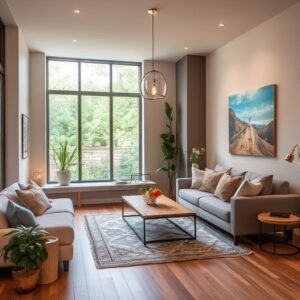
1. The Return of Warmth: Goodbye Cold Minimalism, Hello Layered Comfort
For nearly a decade, “modern” meant cool grays, stark whites, and pared-back minimalism. That era is officially winding down. Designers across the country are reporting a decisive shift toward warm, layered, and expressive interiors. Think rich clay tones, olive and moss greens, terracotta, muddy blues, and deep plum, all paired with natural wood and tactile textures.
This isn’t just a color swap — it’s a philosophical shift in how homes are meant to feel. Instead of sterile perfection, homeowners want spaces with personality, depth, and warmth that feels lived-in rather than staged. Soft, layered neutrals like oatmeal, sand, mushroom taupe, and creamy whites are replacing the cool grays that dominated the 2015–2023 design cycle.
What this looks like in practice:
- Warm wood tones on cabinetry, flooring, and furniture instead of painted white or gray finishes
- Richer, more saturated paint colors used intentionally on accent walls, trim, or entire rooms
- Textured materials — plaster, boucle, linen, unlacquered metals — layered together for visual and tactile interest
- A move away from monochrome, all-white kitchens toward mixed materials and tonal contrast
If you’re planning a renovation this year, consider swatching a few warm neutrals before defaulting to the cool gray palette that dominated the last decade. It’s a low-cost way to instantly modernize a space without a full remodel.
Read Also: home improvement news
2. Kitchens: Natural Materials Take Center Stage
The kitchen remains the most renovated room in the home, and 2026 is bringing a distinct move toward authenticity over polish. Homeowners are increasingly choosing real wood cabinetry, natural stone countertops, and wood flooring — materials that age gracefully and develop character over time, rather than high-gloss or artificial finishes that show wear quickly.
Key kitchen trends to watch:
- Warm neutral cabinetry: Greiges, mushroom taupe, creamy whites, and warm wood tones are dominating new kitchen designs, replacing the crisp white shaker cabinets that were ubiquitous for years.
- Two-tone kitchens: Pairing a natural wood island with painted perimeter cabinetry creates depth and visual interest without overwhelming the space.
- Slab backsplashes: Continuous stone slabs that run from the countertop up the wall create a seamless, high-end look that’s increasingly popular in both mid-range and luxury renovations.
- Heavily veined quartz and quartzite: Countertop materials with dramatic, organic veining are replacing flatter, more uniform stone patterns.
- Statement lighting: Oversized pendants and sculptural fixtures are being used as functional art pieces above islands and dining nooks.
- Mixed metals: Rather than matching every fixture, homeowners are combining warm brass, matte black, and brushed nickel for a more collected, less showroom-perfect look.
Kitchens are also becoming smarter and more storage-conscious, with pull-out pantries, appliance garages, and charging drawers built directly into cabinetry to keep countertops clutter-free.
3. Bathrooms: Spa-Like, Colorful, and Personal
Bathrooms have undergone one of the most dramatic transformations of any room in the house. The all-white, hospital-clean bathroom is giving way to spaces that feel more like a spa retreat — layered with color, natural materials, and intentional lighting.
What’s trending in bathroom design:
- Warm neutrals and earth tones: Soft clay, warm sand, muted beige, and mushroom hues are replacing the cool white-and-gray palettes of the past decade, creating calmer, more grounding spaces.
- Pastel and nature-inspired colors: Sage green, eucalyptus, and olive are especially popular, often paired with black or brushed bronze fixtures for contrast.
- Bold color blocking: Rather than a single neutral palette, designers are dividing bathrooms into clearly defined color zones — deep blues alongside terracotta or mustard, separated by precise grout lines or metal trim.
- Sconce lighting beside mirrors: Instead of a single vanity light mounted above the mirror, homeowners are opting for sconces mounted on either side, which provides more flattering, shadow-free illumination and doubles as a design statement.
- Floating vanities and niche storage: Wall-mounted vanities, recessed shower niches, and built-in cabinetry help maintain a clean, spa-like aesthetic while maximizing functional storage.
- Finish consistency: Instead of mixing several metal finishes throughout a bathroom, designers are specifying one dominant finish — often brushed or satin — with a single secondary accent used sparingly.
- Sustainable materials: Recycled composites, reclaimed stone, and low-impact manufacturing are becoming selling points, not just niche add-ons.
Bathrooms are also becoming more heavily tech-integrated, with features like heated floors, smart mirrors, and digitally controlled showers moving from luxury add-ons to increasingly common mid-range upgrades.
4. Aging in Place and Multigenerational Living
One of the most significant structural shifts in home renovation isn’t about color or materials at all — it’s about who’s living in the house and for how long. Baby boomers are aging in place rather than moving to assisted living, and younger adults are staying home longer or returning home due to housing costs. The result is a surge in multigenerational households and a corresponding wave of renovations designed around long-term livability.
According to industry research, a majority of homeowners now expect to stay in their current homes for eleven or more years after renovating, and a large share consider their current house their “forever home.” That mindset changes what people prioritize when they renovate — favoring durability and functionality over short-term trends.
Common aging-in-place and multigenerational features:
- Wider doorways and hallways to accommodate mobility aids
- Curbless, walk-in showers with built-in benches and grab bars
- Single-story primary suites, sometimes added onto homes that previously only had upstairs bedrooms
- Slip-resistant flooring throughout bathrooms and kitchens
- Improved, layered lighting to support aging eyes
- Accessory dwelling units (ADUs) or basement/garage conversions for adult children or aging parents
- Lever-style door handles and touchless or lower-effort fixtures
These features are increasingly being incorporated into renovations even for homeowners who don’t currently need them, as a form of future-proofing. It’s a similar logic to buying a slightly larger car before you need the extra space — building in flexibility now avoids a second, more disruptive renovation later.
5. Bundled, Strategic Renovations Over One-Off Projects
Rather than tackling a single room in isolation, more homeowners are bundling projects — combining a home addition with a kitchen remodel, HVAC upgrade, and exterior refresh in a single, coordinated renovation. This approach reflects a more strategic mindset: instead of chasing short-term aesthetic wins, homeowners are prioritizing long-term livability and getting all the disruptive work (permits, contractors, dust, and displacement) done in one continuous phase rather than spreading it across several smaller projects over the years.
This trend is partly financial — coordinating trades and materials across multiple projects can reduce overall costs and labor overlap — and partly about disruption tolerance. Living through a renovation is stressful, so many homeowners would rather endure one larger project than three smaller ones spread over several years.
If you’re weighing whether to renovate room by room or all at once, consider your tolerance for disruption, your financing options, and whether upcoming projects (like a kitchen remodel and an HVAC replacement) would benefit from being coordinated rather than done separately.
6. The Rise of AI in Home Renovation Planning
Perhaps the most novel trend shaping 2026 is the growing use of artificial intelligence as a renovation planning tool. A meaningful share of homeowners are now using AI tools during their DIY and renovation projects — primarily to visualize outcomes before committing, generate design ideas, and get step-by-step instructions for unfamiliar tasks.
This makes intuitive sense. Renovation mistakes are expensive, and AI-powered visualization tools let homeowners “try before they buy” — seeing how a paint color, cabinet style, or layout change might look before spending money on materials or labor. Most people exploring these tools are doing so out of curiosity rather than as a core part of their workflow, and a notable portion have run into problems or inaccurate results, suggesting the technology is promising but still maturing in this context.
Ways homeowners are using AI in renovation projects:
- Generating visual mockups of a room with new paint, flooring, or cabinetry
- Brainstorming design directions based on a mood board or reference photos
- Getting simplified, step-by-step guidance for DIY tasks like tiling or painting
- Estimating material quantities and rough budgets before consulting a contractor
As with any emerging technology, it’s wise to treat AI-generated renovation advice as a starting point rather than a substitute for a licensed contractor, especially for anything involving structural, electrical, or plumbing work.
7. DIY Culture Remains Dominant — But Budgets Are Tight
The vast majority of homeowners tackling projects this year are staying in cosmetic territory: fresh paint, new fixtures, and updated décor rather than structural overhauls. Paint remains the single most popular renovation purchase, even as tariff-driven material costs and general economic caution cause some households to delay bigger plans.
For many, the decision to DIY rather than hire a professional comes down to money. A large share of homeowners say the best part of doing it themselves is the savings, and a comparable share say they simply can’t afford to hire out labor for every project. At the same time, a growing number of homeowners — including a notably active share of Gen Z renovators — are turning to credit cards alongside savings to finance their projects, and budget overruns tied to upgraded material choices or expanded project scope remain common.
Practical budgeting takeaways for 2026:
- Expect materials, especially imported goods affected by tariffs, to cost more than in previous years — get quotes early and lock in pricing where possible
- Build a contingency buffer of at least 10–20% into any renovation budget, since scope creep and upgraded material choices are the most common causes of overruns
- Consider a hybrid approach: DIY the cosmetic work (painting, fixture swaps, hardware updates) while hiring professionals for anything structural, electrical, or plumbing-related
- Use AI visualization tools cautiously to preview big-ticket decisions like cabinet colors or flooring before committing budget to materials
8. Energy Efficiency and Sustainability as Baseline Expectations
Sustainability has moved from a niche selling point to a baseline expectation in renovation planning. Homeowners are increasingly prioritizing energy-efficient windows, improved insulation, and upgraded HVAC systems — not purely out of environmental concern, but because energy costs and long-term home value are directly affected by a home’s efficiency.
This is closely tied to the “forever home” mindset discussed earlier: if you’re planning to stay in a house for over a decade, the return on investment for efficiency upgrades — better insulation, high-performance windows, heat pumps, smart thermostats — becomes much more compelling than it would for a homeowner planning to sell within a few years.
Sustainability-driven trends to watch:
- Recycled and reclaimed materials, from composite decking to reclaimed stone countertops
- Low-VOC paints and finishes, particularly as more renovation work happens in occupied, lived-in homes
- Heat pumps and high-efficiency HVAC systems replacing aging furnaces and window units
- Smart thermostats and energy monitoring systems integrated during electrical upgrades
- Water-conscious fixtures, including low-flow showerheads and dual-flush toilets, especially in regions facing water restrictions
9. Smart Home Technology Woven Into the Architecture
Smart home technology has matured past the era of bolt-on gadgets. Rather than adding smart plugs and standalone cameras after the fact, homeowners renovating in 2026 are increasingly wiring smart technology directly into the structure of their homes during the renovation process itself.
Where this shows up most:
- In-wall wiring for centralized smart lighting and climate control systems, rather than relying on smart bulbs and plug-in devices
- Smart mirrors and digitally controlled showers in bathroom remodels
- Integrated charging stations built into kitchen islands, mudrooms, and bathroom vanities
- Home security and video doorbell systems planned into the electrical layout during exterior renovations
- Whole-home audio wiring for multi-room sound systems
Because rewiring a finished home is disruptive and costly, more homeowners are choosing to plan for smart home infrastructure during a renovation — even if they don’t install every device immediately — so the wiring and infrastructure exist for future upgrades.
10. Biophilic Design: Bringing the Outdoors In
Biophilic design — the practice of connecting interior spaces to the natural world — continues to grow in popularity across kitchens, bathrooms, and living spaces alike. This goes beyond simply adding a few houseplants; it’s a holistic design approach that uses materials, textures, color schemes, and lighting to create a stronger connection to nature.
Elements of biophilic design showing up in 2026 renovations:
- Natural materials like wood, stone, and rattan used prominently rather than as accents
- Nature-inspired color palettes: moss green, terracotta, sand, and sky blue
- Maximized natural light through larger windows, skylights, and glass doors
- Organic textures and patterns that echo natural forms
- Dedicated indoor plant zones, from kitchen herb gardens to bathroom greenery near windows
Biophilic design pairs naturally with the broader “warm and layered” aesthetic trend, since both approaches favor authentic, textured materials over sleek, synthetic finishes.
11. What Designers Are Leaving Behind in 2026
Just as important as knowing what’s trending is understanding what’s on its way out. Interior designers point to a handful of renovation choices that are increasingly considered dated or impractical heading into 2026:
- All-white, sterile kitchens with no color or material contrast are giving way to warmer, layered palettes.
- Cool gray as a default neutral is being replaced by warmer beiges, taupes, and greiges across walls, cabinetry, and flooring.
- Matching metal finishes throughout a home are losing ground to intentional mixed-metal pairings.
- Overly trend-driven, high-gloss materials are being passed over in favor of natural materials that age gracefully rather than looking dated within a few years.
- Purely decorative renovations with no functional upgrade are less appealing to homeowners who are increasingly budget-conscious and focused on long-term livability.
If your home currently features several of these elements, that doesn’t necessarily mean you need to renovate immediately — but it’s worth keeping in mind when planning updates, especially if resale value is a consideration.
12. Practical Tips for Planning Your 2026 Renovation
With so many trends to consider, it helps to have a clear framework for deciding what’s actually worth pursuing in your own home. Here are a few practical guidelines:
1. Prioritize function over fashion: Trends come and go, but a renovation that genuinely improves how you use your space — better storage, improved lighting, a more efficient layout — will hold its value far longer than a purely cosmetic update chasing a passing color trend.
2. Think in decades, not seasons: With most homeowners planning to stay in their homes for a decade or more, it makes sense to invest in materials and systems (insulation, HVAC, quality cabinetry) that will perform well over the long term, even if they cost more upfront.
3. Get multiple quotes before committing to materials: With material costs fluctuating due to tariffs and supply chain pressures, prices can vary significantly between suppliers. A little comparison shopping can meaningfully reduce your overall budget.
4. Separate DIY-friendly work from professional-only work: Painting, hardware swaps, and light fixture updates are generally safe DIY territory. Anything involving structural changes, electrical rewiring, gas lines, or plumbing should go to a licensed professional — mistakes in these areas are far more costly to fix than to do right the first time.
5. Use visualization tools before making irreversible decisions: Whether it’s a physical mood board, a designer’s rendering, or an AI visualization tool, seeing a rough preview of a major change — a paint color, a cabinet style, a layout shift — can save you from expensive buyer’s remorse.
6. Build in a contingency budget: Renovation costs almost always run higher than the initial estimate, whether due to unexpected structural issues, material upgrades, or scope creep. A buffer of at least 10–20% above your initial budget is a reasonable safety net.
Final Thoughts
Home renovation in 2026 is defined less by any single flashy trend and more by a broader shift in mindset. Homeowners are staying put longer, thinking more strategically about how their homes will serve them over the next decade, and blending warmth and personality back into spaces that had grown increasingly cold and minimalist. At the same time, economic pressures — rising material costs, tighter budgets, and cautious spending — are pushing people toward smarter, more intentional choices rather than sprawling, trend-chasing overhauls.
Whether you’re planning a full-scale renovation or a simple weekend refresh, the throughline for 2026 is clear: build for how you actually live, choose materials that age well, and treat your home as a long-term investment rather than a temporary showcase. The trends may shift again in a few years, but a renovation grounded in function, quality, and authenticity will hold up regardless of what’s trending next.
Bookmark this page and check back often, since we’ll keep updating this space with fresh home improvement news as new trends, materials, and technologies emerge throughout the year.