Living in a small home doesn’t mean you have to compromise on comfort, style, or functionality. Whether you’re in a cozy studio apartment, a compact condo, or a starter home with a snug living room, the right furniture choices can make all the difference. A well-planned small living room can feel just as inviting, organized, and beautiful as a much larger space — the secret lies in choosing furniture that works smarter, not just smaller.
In this comprehensive guide, we’ll walk through practical, stylish, and budget-friendly furniture ideas that help you save space while keeping your living room functional and welcoming. From multi-purpose furniture to clever layout hacks, this article covers everything you need to transform your small living room into a spacious-feeling sanctuary. Along the way, we’ll also point out where brands like Coaster Furniture offer well-designed, space-conscious pieces that make it easy to put these ideas into practice.
Why Furniture Choice Matters So Much in Small Living Rooms
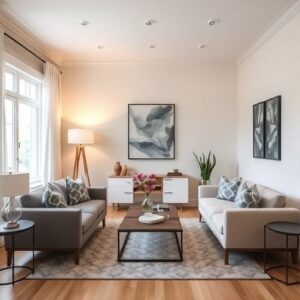
Before diving into specific ideas, it’s worth understanding why furniture selection is the single most important factor in small-space design. Unlike larger rooms where you have room for error, every piece of furniture in a small living room has to earn its place. Bulky, oversized, or single-purpose furniture eats up valuable square footage and makes a room feel cramped and cluttered, even if it’s beautifully decorated.
On the other hand, thoughtfully chosen furniture can:
- Create the illusion of more space through smart proportions and visual lightness
- Serve multiple functions, reducing the total number of pieces you need
- Improve traffic flow, making the room feel open and easy to move through
- Maximize vertical space, freeing up your floor for living
- Reflect your personal style without overwhelming the room
With that foundation, let’s explore the best furniture ideas for small living rooms.
1. Multi-Functional Sofas and Sectionals
The sofa is usually the largest piece of furniture in any living room, which makes it the most important place to save space.
Sleeper Sofas
A sleeper sofa (or sofa bed) is a fantastic investment for small living rooms that occasionally double as guest rooms. Modern sleeper sofas have come a long way from the lumpy, uncomfortable designs of the past — many now offer memory foam mattresses and sleek, streamlined frames that look just as good as a regular sofa.
Modular Sectionals
Modular sectionals are made up of individual pieces that can be rearranged to fit your space. This flexibility means you can configure your seating for movie nights, reconfigure it for entertaining, or scale it down when you need more floor space. Look for modular pieces with legs (rather than a solid base) to maintain a sense of openness in the room.
Loveseats Instead of Full Sofas
If a full-sized sofa feels overwhelming, consider a loveseat paired with one or two accent chairs. This combination often takes up less total space while still providing ample seating for family and guests.
Sofas with Built-In Storage
Some sofas now come with hidden storage compartments beneath the seat cushions — perfect for stashing blankets, remote controls, or board games.
2. Nesting Tables Instead of Bulky Coffee Tables
A traditional coffee table can dominate a small living room. Nesting tables — a set of two or three tables of graduated sizes that stack together — offer a smart alternative. You can pull them apart when you need extra surface space for guests, and tuck them back together when you don’t.
Nesting tables are especially useful for:
- Small apartments where seating changes based on the occasion
- Rooms with limited walking space around the coffee table area
- Anyone who frequently rearranges furniture for different uses (yoga, kids’ play area, etc.)
3. Wall-Mounted and Floating Furniture
One of the most effective ways to save floor space is to get furniture off the floor entirely.
Floating Shelves
Floating shelves replace bulky bookcases and entertainment units. They can hold books, décor, plants, or a television, all without consuming any floor space. Because they’re mounted at varying heights, they also draw the eye upward, making ceilings feel taller and rooms feel more expansive.
Wall-Mounted Console Tables
Instead of a traditional TV console sitting on the floor, consider a wall-mounted console. These slim shelves hold your TV, media devices, and decorative items while leaving the floor beneath completely open — ideal for creating a sense of airiness in a small room.
Wall-Mounted Desks
If your living room doubles as a home office, a fold-down or wall-mounted desk can be tucked away when not in use, instantly freeing up space for relaxing or entertaining.
4. Furniture with Hidden Storage
Storage is often the biggest challenge in small living rooms. The solution isn’t necessarily more furniture — it’s furniture that does double duty.
Storage Ottomans
An ottoman with a hinged lid or removable top can serve as a coffee table, extra seating, footrest, and hidden storage all in one. Use it to store blankets, magazines, or toys, keeping clutter out of sight.
Storage Benches
A storage bench placed against a wall or at the entrance to your living room provides seating and a place to store shoes, bags, or seasonal items.
Coffee Tables with Drawers or Shelves
Choose a coffee table that includes drawers, shelves, or a lower tier for storing remote controls, coasters, or reading materials.
TV Stands with Cabinets
A media console with built-in cabinets and drawers can house electronics, cables, and media accessories, reducing visual clutter.
5. Foldable and Stackable Furniture
Foldable furniture is a small-space classic for good reason — it allows you to have extra seating or surfaces available only when you need them.
Folding Chairs and Stools
Keep a few stylish folding chairs or stackable stools tucked in a closet or behind the sofa. Pull them out when guests come over, then tuck them away again.
Drop-Leaf Tables
While more common in dining rooms, a small drop-leaf table can work well in a living room used for casual dining, board games, or laptop work. Fold it down against the wall when not in use.
Folding Screens
A folding screen isn’t furniture in the traditional sense, but it’s an incredibly useful space-saving tool. Use it to divide a studio apartment into distinct zones, or fold it away completely when you want an open floor plan.
6. Slim and Armless Furniture
The bulkier the furniture, the more space it visually and physically consumes. Choosing slim-profile pieces can make a significant difference.
Armless Chairs
Armless accent chairs take up less physical space than their armed counterparts and often look more streamlined and modern.
Slim Console Tables
A narrow console table behind a sofa or against a wall provides a spot for lamps, décor, and small storage without protruding far into the room.
Low-Profile Furniture
Furniture with a lower silhouette — like low-back sofas or low coffee tables — creates the illusion of higher ceilings and a more open room.
7. Transparent and Reflective Furniture
Visual weight matters just as much as physical size when it comes to making a small room feel bigger.
Glass Coffee Tables
A glass-top coffee table takes up physical space but appears almost invisible, allowing light to pass through and making the room feel more open than a solid wood table would.
Acrylic or Lucite Furniture
Clear acrylic side tables, chairs, or shelving units are increasingly popular in small-space design. Because they’re transparent, they don’t visually compete with the rest of your décor.
Mirrored Furniture
A mirrored side table or cabinet reflects light around the room, creating an illusion of depth and openness.
8. Corner Furniture
Corners are often the most underutilized space in a living room. Furniture designed specifically for corners can help you reclaim this wasted real estate.
Corner Shelving Units
Install shelves in the corner of your room to display books, plants, or décor without taking up wall space that could otherwise be used for a sofa or media unit.
Corner Sectionals
An L-shaped sectional tucked into a corner maximizes seating capacity while leaving the center of the room open for movement.
Corner Desks
If you need a workspace in your living room, a corner desk is far less obtrusive than a standard rectangular desk placed against a flat wall.
9. Furniture on Legs
Furniture that sits flush on the floor — like a low platform sofa or a solid-base cabinet — can make a room feel heavier and more closed off. Choosing furniture with visible legs, on the other hand, allows light and sightlines to travel underneath, creating an airier feel.
When shopping for sofas, chairs, and storage units, look for:
- Slim, tapered legs rather than thick, blocky bases
- At least a few inches of clearance beneath the furniture
- Light-colored or metal legs, which tend to look less visually heavy than dark wood
10. Vertical Storage Solutions
When floor space is limited, the walls become your best friend.
Tall, Narrow Bookcases
Instead of a wide, low bookcase, opt for a tall and narrow one. You’ll get the same (or more) storage capacity while using a fraction of the floor footprint.
Ladder Shelves
A ladder-style shelf leans against the wall and takes up minimal floor space while offering multiple tiers for books, plants, and décor.
Over-the-Door Storage
Don’t overlook the back of doors leading into or out of your living room. Over-the-door organizers can hold magazines, remote controls, or small décor items.
11. Dual-Purpose Dining and Living Spaces
In many small homes, the living room and dining area share the same space. Choosing furniture that serves both functions can help you avoid overcrowding.
Extendable Dining Tables
An extendable table can function as a small side table or console day-to-day, then expand to accommodate guests when needed.
Bar Carts
A bar cart on wheels can serve as a mobile drink station, extra storage, or even a plant stand — and it can be rolled out of the way when not in use.
Counter-Height Tables with Stools
If you’re tight on space, a small counter-height table with stackable stools can double as a dining spot, workspace, or entertaining surface.
12. Curved and Rounded Furniture
Sharp corners on furniture can make navigating a small room feel tricky, especially in tight walkways. Rounded furniture — like a circular coffee table or a curved-arm sofa — is not only on-trend but also practical, as it eliminates hard edges that can make a room feel more cramped and harder to move through safely.
13. Furniture That Doubles as Room Dividers
If you live in a studio apartment or an open-concept space, furniture can help define separate “zones” without the need for walls.
Bookcases as Dividers
An open-back bookcase can separate a living area from a sleeping or dining area while still allowing light to pass through.
Sofa Placement as a Divider
Positioning your sofa with its back facing a walkway or open area (rather than against a wall) can help delineate the living room from adjacent spaces.
14. Scaled-Down Statement Pieces
You don’t have to sacrifice style for the sake of saving space. Many furniture brands now offer “apartment-sized” versions of classic pieces — think petite armchairs, compact loveseats, and slim accent tables — that bring personality to a room without overwhelming it.
When shopping, look for furniture labeled as “apartment size,” “small-space,” or “compact” — these are often specifically designed with dimensions suited to smaller rooms.
15. Smart Furniture Layout Tips
Beyond the furniture itself, how you arrange it plays a huge role in how spacious your living room feels.
- Float furniture away from walls when possible: Surprisingly, pulling a sofa a few inches away from the wall (rather than pushing it flush against it) can sometimes create better flow and a more intentional layout.
- Create clear pathways: Aim for at least 30 inches of walking space between furniture pieces.
- Anchor the room with a rug: A properly sized area rug can visually define your seating area and make the room feel more cohesive.
- Avoid matching furniture sets: Mixing furniture styles and sizes (within a cohesive color palette) often looks more intentional and less bulky than a uniform, matched set.
- Use vertical lines: Tall bookcases, floor lamps, and curtains hung close to the ceiling all draw the eye upward, making the room feel taller and larger.
16. Choosing the Right Colors and Materials
While this article focuses on furniture, it’s worth noting that the color and material of your pieces can amplify or diminish the space-saving effect.
- Light, neutral tones (whites, creams, soft grays) tend to make furniture feel less imposing than dark colors.
- Natural materials like rattan, cane, and light wood add texture without visual heaviness.
- Monochromatic color schemes — where furniture, walls, and décor share a similar color family — can make a small room feel more expansive by removing visual breaks.
17. Smart Shopping Tips for Small Living Rooms
Before you buy any new furniture, keep these practical tips in mind:
- Measure everything: Know your room’s exact dimensions, including doorways and hallways the furniture needs to pass through.
- Use painter’s tape to map out furniture placement: on your floor before purchasing, so you can visualize the layout in real life.
- Prioritize function first: Ask yourself what the room needs to do — entertain guests, provide a workspace, offer storage — and choose furniture that fulfills those needs efficiently.
- Invest in quality over quantity: A few well-made, multi-functional pieces will serve you better than many cheap, single-purpose items.
- Consider assembly and delivery: Some space-saving furniture, like modular sectionals or fold-down desks, may require specific delivery routes or assembly considerations — check dimensions and delivery specs carefully.
18. Best Furniture Materials for Small-Space Durability
Since small living rooms often see heavier use per square foot — more people sitting closer together, more items stored in less space — durability matters just as much as size. Here’s what to look for by material type:
Wood
Solid wood furniture, especially in lighter tones like oak, ash, or birch, holds up well over time and doesn’t visually overwhelm a room the way dark, heavy wood can. Engineered wood or veneer pieces are lighter on the wallet but may not last as long under frequent rearranging, which is common in small spaces.
Metal
Metal-framed furniture, such as slim-legged chairs or wire shelving units, is a great choice for small living rooms because it’s sturdy without being visually bulky. Powder-coated metal in black, brass, or white can add a modern touch while keeping the piece feeling lightweight.
Performance Fabrics
For sofas and chairs, performance fabrics (stain-resistant, easy-to-clean weaves) are especially useful in small living rooms that double as everyday hangout spaces, home offices, or guest rooms. Since these pieces get used more often per square foot than in larger homes, investing in durable upholstery pays off.
Woven and Natural Fibers
Rattan, wicker, and jute add warmth and texture without adding visual weight. These materials are especially popular for accent chairs, baskets, and side tables in small-space design because they read as “light” even when the piece itself is a decent size.
19. Small Living Room Furniture Ideas by Room Type
Not all small living rooms are the same — a studio apartment has different needs than a small home with a separate living room. Here’s how to adapt these ideas to your specific situation.
Studio Apartments
In a studio, your “living room” often shares space with your bedroom, dining area, and sometimes even your kitchen. Prioritize furniture that can define zones — like an open bookcase as a divider — and pieces that fold away completely, such as a Murphy-style desk or a fold-down dining table. A sleeper sofa is almost essential here, since it lets you reclaim daytime living space from what would otherwise be a bedroom.
Small Apartments with a Separate Living Room
If your living room is a defined space (even if small), you have a bit more freedom to commit to a full seating arrangement. Focus on scaled-down sectionals, nesting tables, and vertical storage to maximize what the room can hold without overcrowding it.
Small Homes with Open-Concept Layouts
When your living room flows into your kitchen or dining area, furniture placement becomes especially important for defining boundaries. Area rugs, furniture-as-dividers, and consistent color palettes across the connected spaces help the whole floor plan feel intentional rather than cramped.
Basement or Secondary Living Rooms
Smaller secondary living spaces — like a basement family room or a converted den — are great candidates for modular furniture, since these rooms often serve rotating purposes (movie nights, guest sleeping space, playroom). Modular sectionals and storage ottomans shine here.
20. Common Mistakes to Avoid in Small Living Rooms
Even with the best furniture ideas in mind, certain habits can undercut your efforts to maximize space. Watch out for these common pitfalls:
- Buying furniture before measuring: It’s tempting to fall in love with a piece online, but without precise measurements of your room and doorways, you risk ending up with something that overwhelms the space or simply doesn’t fit through the door.
- Overcrowding with too many small pieces: Ironically, filling a small room with lots of tiny furniture can look more cluttered than a few well-chosen larger pieces. Aim for a balance.
- Ignoring scale: A single oversized statement piece — like a huge sectional or an enormous armoire — can make the whole room feel smaller by comparison, even if the rest of your furniture is appropriately sized.
- Neglecting lighting: Furniture isn’t the only factor in how spacious a room feels. Dark corners can make a small living room feel even more closed in, so pair your furniture choices with adequate floor lamps, table lamps, or wall sconces.
- Pushing everything against the walls: While it seems logical to maximize open floor space this way, sometimes a slightly more intentional layout — with furniture pulled a few inches from the wall — creates better flow and a more designed look.
- Forgetting about traffic flow: Even the most beautiful furniture arrangement fails if people can’t comfortably walk through the room. Always map out your walkways before finalizing a layout.
21. Budget-Friendly Space-Saving Furniture Ideas
Not every small-space solution requires a big investment. Here are some affordable ways to save space without sacrificing style:
- Repurpose crates or cubes: as modular, stackable storage that can double as side tables.
- Use tension rods and curtains: to create a lightweight room divider instead of investing in a bookcase or screen.
- Shop secondhand for slim-profile furniture: Vintage and thrifted pieces, especially mid-century designs, often feature the tapered legs and slim silhouettes ideal for small spaces.
- DIY a floating shelf: using basic brackets and a wood plank — a budget-friendly alternative to store-bought units.
- Repaint or reupholster existing furniture: in a lighter color to visually reduce its bulk, rather than replacing it entirely.
22. Where to Shop: Why Coaster Furniture Fits Small-Space Living
When you’re ready to shop for space-saving pieces, it helps to start with a brand that already designs with smaller footprints in mind. Coaster Furniture is well known for offering a wide range of sofas, sectionals, accent chairs, storage ottomans, and occasional tables in scaled-down proportions that suit apartments, condos, and cozy living rooms without skimping on style.
A few reasons Coaster Furniture is worth considering as you plan your small living room:
- Wide range of compact sofas and loveseats: Coaster Furniture offers apartment-sized seating options that provide comfort without overwhelming a smaller footprint.
- Multi-functional pieces: Many Coaster Furniture storage ottomans, lift-top coffee tables, and convertible sofas double as extra storage or sleeping space — ideal for the multi-purpose furniture strategies covered earlier in this guide.
- Variety of finishes and styles: Whether your small living room leans modern, transitional, or classic, Coaster Furniture’s catalog spans enough styles that you can find pieces with the slim legs, light finishes, or low profiles recommended throughout this article.
- Accessible price points: Coaster Furniture is a good option for anyone furnishing a small space on a budget, since it offers quality furniture without the premium pricing of some boutique small-space brands.
Whether you’re shopping for a compact sectional, a slim console table, or a storage-friendly coffee table, checking Coaster Furniture’s catalog alongside the ideas in this guide is a practical way to turn these space-saving concepts into a finished room.
Final Thoughts
Designing a small living room doesn’t have to feel like a constant compromise. With the right combination of multi-functional furniture, smart storage solutions, and thoughtful layout choices, you can create a space that feels open, organized, and stylish — no matter its square footage.
The key takeaways to remember:
- Choose furniture that serves more than one purpose whenever possible.
- Get furniture off the floor with wall-mounted and floating pieces.
- Use transparent or reflective materials to reduce visual bulk.
- Don’t forget vertical space — walls and corners are valuable real estate.
- Arrange furniture thoughtfully, prioritizing clear pathways and natural flow.
By applying even a handful of these ideas, you’ll be well on your way to a small living room that feels anything but small.