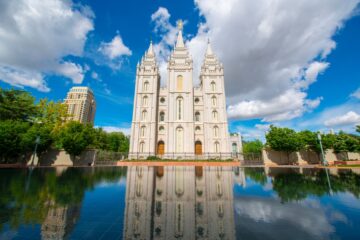
The Salt Lake Temple renovation is one of the most significant restoration projects in modern religious and architectural history. Located in Salt Lake City, Utah, the Salt Lake Temple is not only a sacred place for members of The Church of Jesus Christ of Latter-day Saints (LDS Church) but also a globally recognized historical landmark. Built in the late 19th century, the temple represents faith, craftsmanship, and cultural heritage.
Over time, natural wear, aging materials, and evolving safety standards made a comprehensive renovation essential. The renovation project is designed to preserve the temple’s spiritual importance while strengthening its structural integrity and updating it for future generations. This article explores the full story of the Salt Lake Temple renovation, including its reasons, goals, restoration techniques, timeline, challenges, and what the future holds.
🔹 Historical Background of the Salt Lake Temple
Construction of the Salt Lake Temple began in 1853 and took 40 years to complete, finally being dedicated in 1893. Early pioneers used granite quarried from Little Cottonwood Canyon, transporting massive stone blocks with primitive tools and animal power.
The temple’s Gothic and Romanesque architectural style, towering spires, and intricate stone carvings make it a masterpiece of 19th-century engineering. Over decades, it became a symbol of endurance, devotion, and unity for millions of believers worldwide.
Despite its strength, even a structure built with such care requires modernization after more than a century of use—leading to the decision for the Salt Lake Temple renovation.
🔹 Why the Salt Lake Temple Renovation Was Necessary
1. Seismic Safety Concerns
Utah lies near seismic fault lines, and studies revealed that the temple needed reinforcement to withstand potential earthquakes. Without modernization, even a moderate earthquake could cause significant damage.
2. Aging Infrastructure
Electrical systems, plumbing, heating, and cooling systems were outdated. Replacing these systems ensures safety, efficiency, and sustainability.
3. Preservation of Historic Materials
Granite stones, mortar, woodwork, and interior finishes showed signs of aging. Renovation allows careful restoration without compromising historical authenticity.
4. Accessibility Improvements
Modern standards require better accessibility for elderly and disabled visitors, which the original design did not fully support.
🔹 Scope of the Salt Lake Temple Renovation Project
The Salt Lake Temple renovation is not a simple repair—it is a full structural and interior transformation while preserving the temple’s sacred character.
Key Areas of Renovation Include:
-
Base isolation seismic system
-
Structural reinforcement of walls and foundations
-
Restoration of original stonework
-
Modern HVAC and electrical systems
-
Interior art and decorative restoration
-
Accessibility and safety upgrades
This careful balance of old and new makes the project both technically complex and culturally sensitive.
🔹 Earthquake-Resistant Engineering: A Major Highlight
One of the most impressive aspects of the Salt Lake Temple renovation is the installation of a base isolation system.
What Is Base Isolation?
Base isolation separates a building from ground motion during an earthquake. The temple will sit on large bearings that absorb seismic energy, allowing the ground to move while the structure remains stable.
This advanced engineering method is rarely applied to historic stone buildings, making the Salt Lake Temple renovation a landmark project in preservation engineering.
🔹 Interior Restoration and Artistic Preservation
Inside the temple, artisans and conservators work meticulously to restore:
-
Hand-painted murals
-
Decorative plasterwork
-
Ornate wood carvings
-
Historic lighting fixtures
Original elements are documented, removed when necessary, restored off-site, and carefully returned to their original positions. This ensures authenticity while extending the life of each piece.
🔹 Sustainable and Modern Upgrades
Although historic preservation is a priority, sustainability also plays a major role in the Salt Lake Temple renovation.
Modern Enhancements Include:
-
Energy-efficient climate control systems
-
Improved insulation
-
Water-saving plumbing
-
Environmentally responsible materials
These updates reduce environmental impact while maintaining the temple’s traditional appearance.
🔹 Timeline of the Salt Lake Temple Renovation
The renovation project officially began in 2019 after the temple was closed to the public. Due to the scale and complexity, the project spans several years.
Key Timeline Milestones:
-
2019: Temple closure and initial demolition
-
2020–2022: Structural and seismic upgrades
-
2023–2024: Interior restoration and system installations
-
2025–2026: Final finishing and inspections
The phased approach ensures accuracy, safety, and respect for the sacred structure.
🔹 Challenges Faced During Renovation
1. Preserving Historical Accuracy
Matching 19th-century craftsmanship with modern materials is extremely challenging.
2. Structural Complexity
Working on a massive granite building without compromising stability requires precision engineering.
3. Cultural Sensitivity
The temple holds deep spiritual meaning, so all work must respect religious practices and symbolism.
Despite these challenges, experts from architecture, engineering, history, and art conservation collaborate closely to maintain excellence.
🔹 Global Significance of the Salt Lake Temple Renovation
The Salt Lake Temple renovation is more than a construction project—it is a global preservation case study. Architects and engineers worldwide study the methods used here to apply similar techniques to other historic landmarks.
The project demonstrates how faith-based heritage structures can adapt to modern safety standards without losing their identity.
🔹 What Will Change After Renovation?
Visitors and worshippers can expect:
-
Enhanced safety and comfort
-
Preserved historical beauty
-
Improved accessibility
-
Stronger structural integrity
What will not change is the spiritual purpose and symbolic meaning of the temple.
🔹 Future of the Salt Lake Temple
Once reopened, the temple will continue serving generations to come. The renovation ensures that it remains a place of worship, inspiration, and architectural admiration well into the future.
The Salt Lake Temple renovation sets a benchmark for combining faith, history, and modern engineering in one harmonious effort.
🔹 Conclusion
The Salt Lake Temple renovation is a remarkable blend of tradition and technology. By strengthening the structure, preserving historical artistry, and incorporating modern safety systems, this project ensures the temple’s legacy remains intact for centuries.
It stands as a powerful example of how historic landmarks can evolve responsibly while honoring their origins. The renovation is not just about rebuilding stone—it’s about preserving faith, heritage, and history.
🔹 FAQs: Salt Lake Temple Renovation
Q1. Why was the Salt Lake Temple closed for renovation?
The temple was closed to address seismic safety, aging systems, and long-term preservation needs.
Q2. How long will the renovation take?
The project spans several years, with completion expected around 2026.
Q3. Will the temple look different after renovation?
Visually, it will remain largely the same, with subtle improvements in safety and functionality.
Q4. What is the most important upgrade?
The seismic base isolation system is considered the most critical enhancement.
Q5. Is the renovation historically respectful?
Yes, all work follows strict preservation guidelines to maintain authenticity.


0 Comments